
BioMed Realty Blog
Duis nec orci eget elit fringilla ultricies a non purus. Vestibulum ante ipsum primis in faucibus orci luctus et ultrices posuere cubilia curae; Nulla facilisi. Ut sit amet lectus turpis.
BioMed Realty Leads Technology/Science Peer Group in 2026 GRESB Rankings and Releases 2025 Sustainability Report Highlighting Progress Across the Portfolio
BioMed Realty is a portfolio company within Blackstone’s Core+ Life Sciences Real Estate strategy, which ranked first in its peer group and was named a GRESB Sector Leader in the Standing Investments Benchmark for the Technology/Science sector in the Americas.
The Platform Opens in Kendall Square with BANDALOOP Performance
New 45,000-square-foot performing arts center will welcome the community for a free public Opening Day celebration on Nov. 7.
Walden Robotics Selects BioMed Realty’s University Park for New Cambridge Headquarters
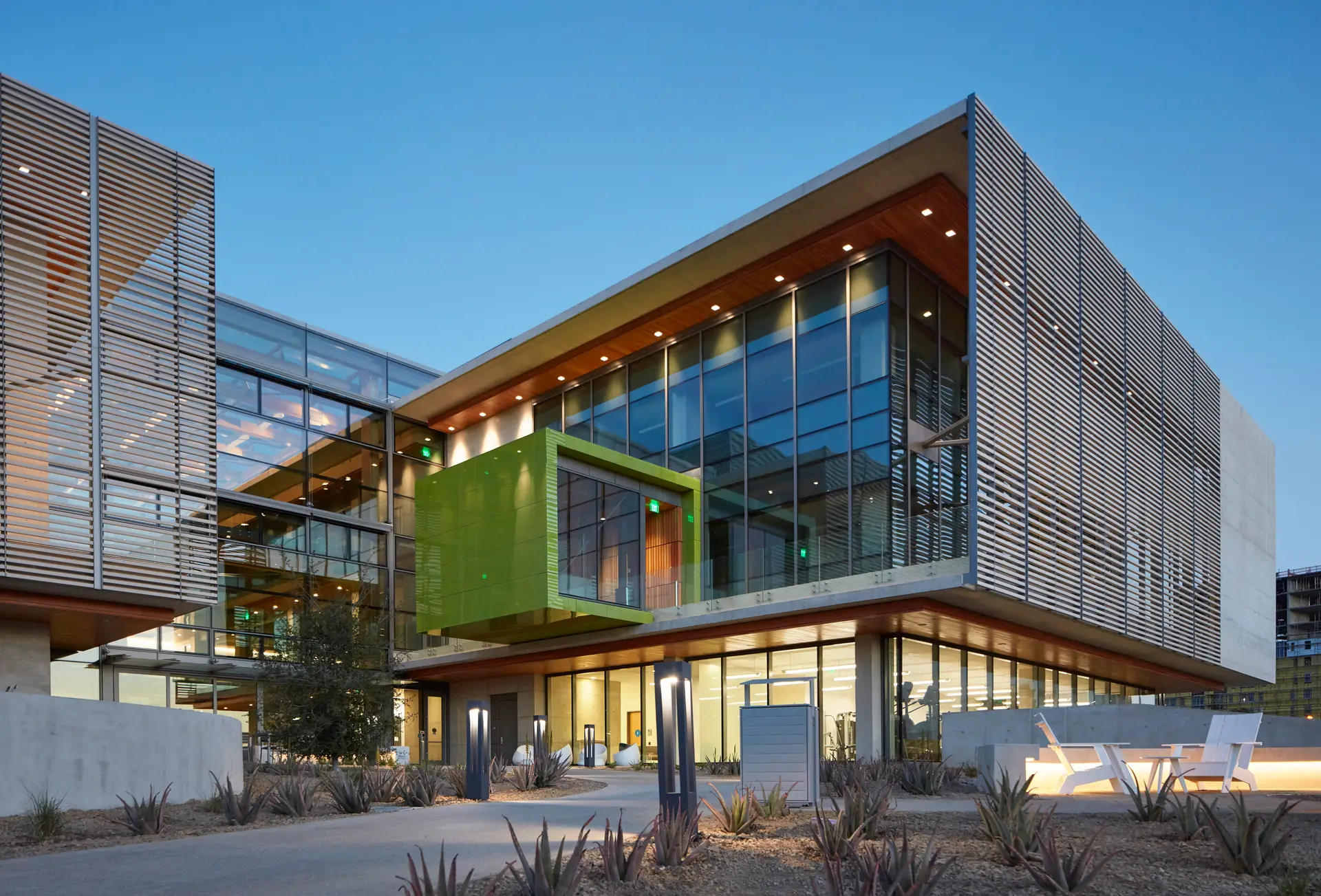
Located adjacent to Kendall Square, University Park spans 1.7 million square feet and brings together leading life science, advanced technology and innovation companies within a campus designed to support collaboration, growth and discovery.
Wet Lab vs Dry Lab: Key Differences Explained
Wet labs and dry labs have distinct infrastructure needs that directly influence life science real estate decisions. Wet labs require purpose-built facilities with specialized systems to support experimental research, while dry labs offer greater flexibility for computational work. As AI and hybrid research models continue to grow, selecting the right lab environment is critical for supporting long-term innovation and growth.
Laboratory Infrastructure Explained: HVAC, Power, Data, and Facility Requirements
Laboratory infrastructure provides the critical building systems that enable life science and advanced technology research. From HVAC, power, and plumbing to data connectivity and flexible layouts, purpose-built infrastructure supports safe, reliable, and scalable operations. As research becomes more data-driven and technology-intensive, resilient infrastructure has become a key differentiator for attracting tenants and supporting long-term innovation.
What Is Laboratory Design and How To Design a Laboratory
Laboratory design is the process of creating research environments that support scientific innovation through purpose-built infrastructure, efficient workflows, and flexible spaces. Effective lab design balances safety, compliance, and scalability while aligning building systems with research needs. As demand for life science facilities grows, well-designed laboratories play a critical role in attracting tenants and supporting long-term innovation.

Laboratory Design
Wet labs and dry labs have distinct infrastructure needs that directly influence life science real estate decisions. Wet labs require purpose-built facilities with specialized systems to support experimental research, while dry labs offer greater flexibility for computational work. As AI and hybrid research models continue to grow, selecting the right lab environment is critical for supporting long-term innovation and growth.
Technical Infrastructure
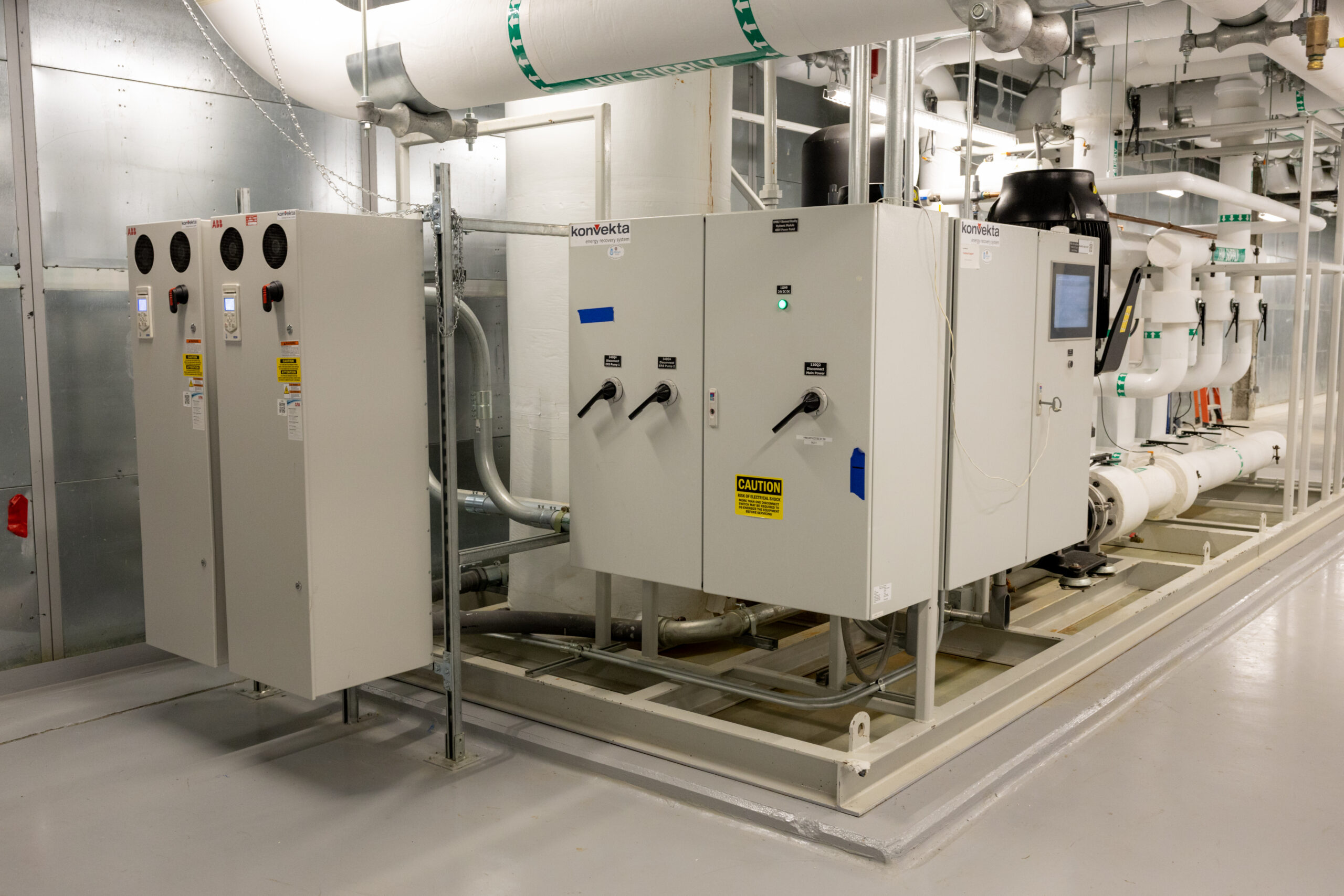
Laboratory infrastructure provides the critical building systems that enable life science and advanced technology research. From HVAC, power, and plumbing to data connectivity and flexible layouts, purpose-built infrastructure supports safe, reliable, and scalable operations. As research becomes more data-driven and technology-intensive, resilient infrastructure has become a key differentiator for attracting tenants and supporting long-term innovation.

Laboratory Design
Laboratory design is the process of creating research environments that support scientific innovation through purpose-built infrastructure, efficient workflows, and flexible spaces. Effective lab design balances safety, compliance, and scalability while aligning building systems with research needs. As demand for life science facilities grows, well-designed laboratories play a critical role in attracting tenants and supporting long-term innovation.