
Wet Lab vs Dry Lab: Key Differences Explained

Wet labs and dry labs have distinct infrastructure needs that directly influence life science real estate decisions. Wet labs require purpose-built facilities with specialized systems to support experimental research, while dry labs offer greater flexibility for computational work. As AI and hybrid research models continue to grow, selecting the right lab environment is critical for supporting long-term innovation and growth.
Laboratory Infrastructure Explained: HVAC, Power, Data, and Facility Requirements
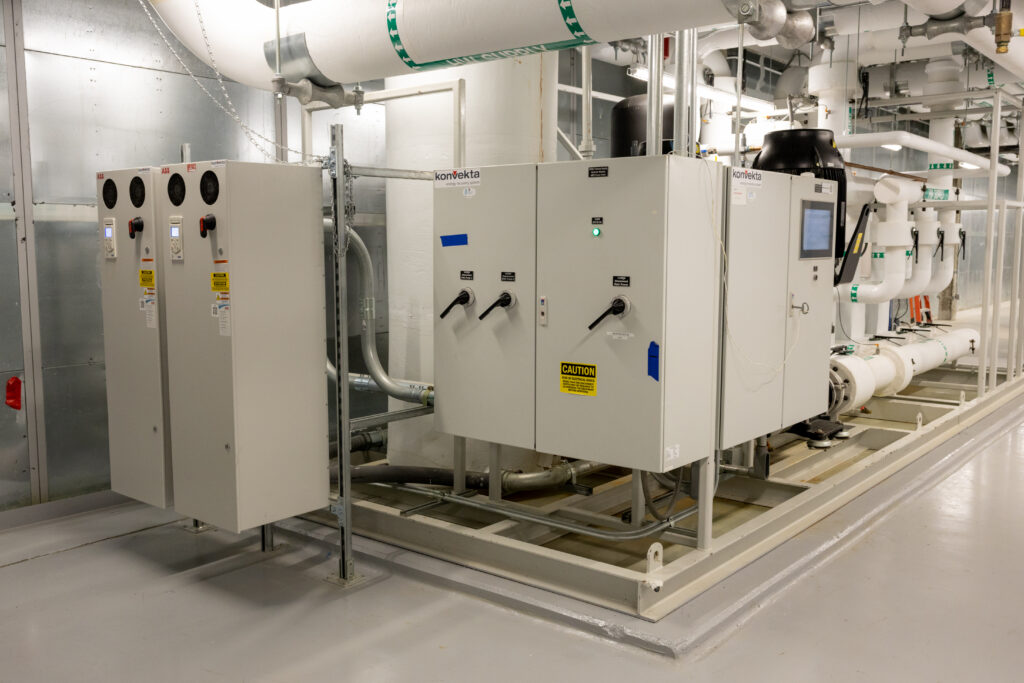
Laboratory infrastructure provides the critical building systems that enable life science and advanced technology research. From HVAC, power, and plumbing to data connectivity and flexible layouts, purpose-built infrastructure supports safe, reliable, and scalable operations. As research becomes more data-driven and technology-intensive, resilient infrastructure has become a key differentiator for attracting tenants and supporting long-term innovation.
What Is Laboratory Design and How To Design a Laboratory

Laboratory design is the process of creating research environments that support scientific innovation through purpose-built infrastructure, efficient workflows, and flexible spaces. Effective lab design balances safety, compliance, and scalability while aligning building systems with research needs. As demand for life science facilities grows, well-designed laboratories play a critical role in attracting tenants and supporting long-term innovation.